Wisdom Teeth Removal

Impacted and infected wisdom teeth can cause severe damage to your gums, neighboring teeth, and overall oral health.
At Limestone Coast Dental, we make the process gentle and stress-free with minimally invasive extractions designed to ease discomfort and protect your long-term oral health

What Are Wisdom Teeth?

Third molar teeth, often called wisdom teeth, are the last set of teeth to appear at the very back of the mouth. They usually come through between the ages of 18 and 25, although some people never develop them at all.

When there is enough room in the jaw and they erupt in the correct position, wisdom teeth can act just like any other tooth and be maintained with normal dental care. Difficulties arise when there isn’t enough space, causing them to become trapped under the gum or bone. These impacted teeth can lead to problems such as pain, infection, or pressure on nearby teeth.

In many cases, dentists recommend removing impacted wisdom teeth to prevent future issues like decay, gum disease, or crowding. Common warning signs include swollen gums at the back of the mouth, soreness or stiffness in the jaw, discomfort that spreads toward the ear or throat, or small white tips of teeth beginning to break through the gum.

At Limestone Coast Dental, our experienced dental surgeons will carefully assess your wisdom teeth and discuss the most appropriate treatment plan tailored to your situation. This may involve a simple extraction under local anaesthesia, a more complex surgical removal, or stress-free management under deep sedation provided by a specialist anaesthetist.

SIGNS YOU MIGHT NEED YOUR WISDOM TEETH REMOVED

Red, swollen, or tender gums around the wisdom tooth

Localised pain or swelling at the back of the mouth

Pressure or pushing sensation from the gum line

Sore or enlarged lymph nodes under the jaw

Difficulty opening the mouth or swallowing

Jaw stiffness or discomfort when chewing

Persistent bad breath or unpleasant taste near the tooth

Benefits Of Wisdom Tooth Removal

If wisdom teeth are healthy and problem-free, they can stay in place. But if they’re likely to cause issues, early removal is often best, as younger patients usually heal faster with fewer risks.

Benefits Of Wisdom Tooth Removal

ALLEVIATING
PAIN

Benefits Of Wisdom Tooth Removal

REDUCE
INFECTION RISK

Benefits Of Wisdom Tooth Removal

IMPROVES
DENTAL HYGIENE

At Limestone Coast Dental, We Have Extensive Experience In Surgical
And Non-Surgical Wisdom Teeth Extraction Techniques, Allowing
For The Most Comfortable And Gentle Experience For Our Patients.

Your Wisdom Tooth Removal Journey

Gentle, comfortable and supportive care at every stage, guided by our experienced team from consultation through to recovery.

1

Consultation & Planning
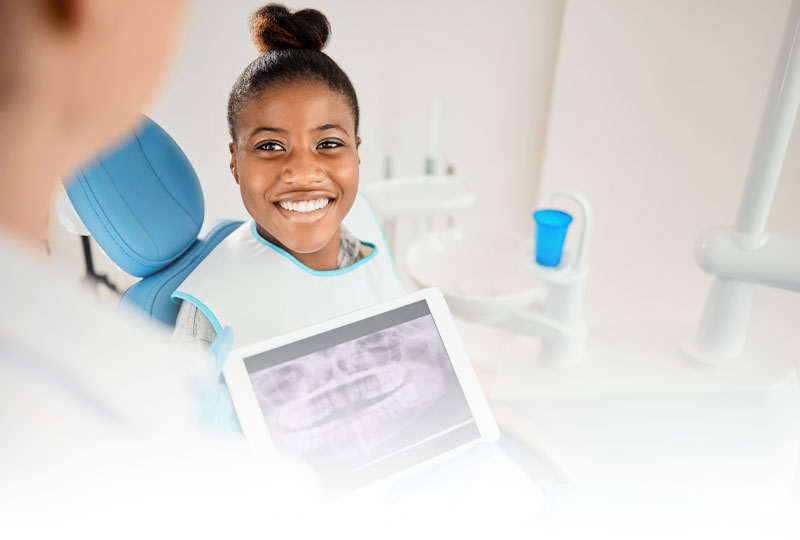
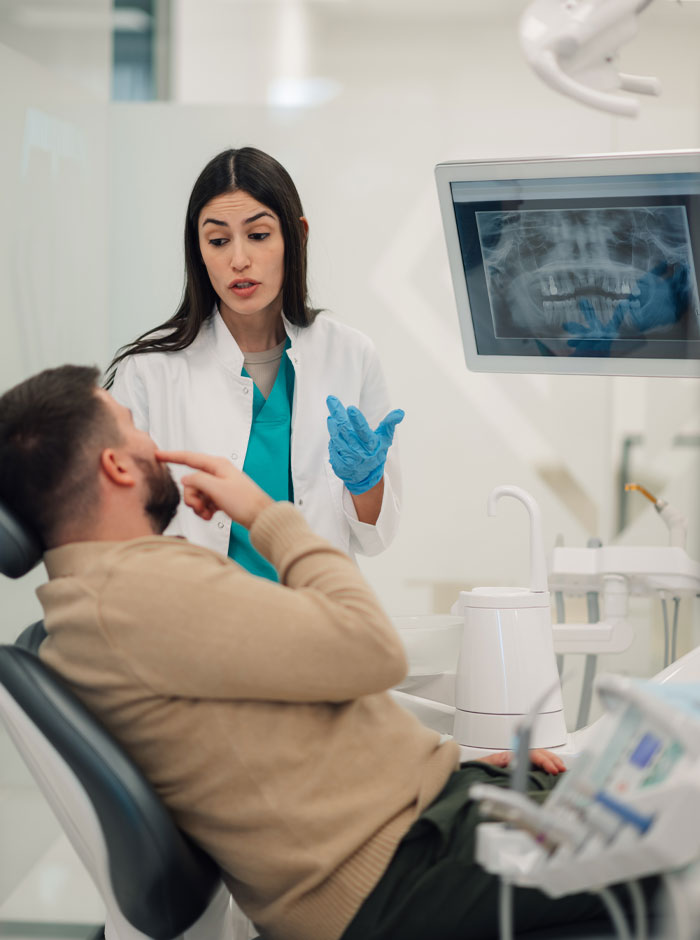
Meet with our experienced dental surgeons for X-rays and a tailored treatment plan. For anxious patients, IV sedation can make the process even more comfortable.

2

Gentle Surgery
Your wisdom teeth are removed with minimally invasive techniques. Depending on the doctor’s recommendation and your preferences, sedation may be provided to ensure a calm and pain-free experience

3

Smooth Recovery
With simple after-care instructions and support, most patients feel comfortable within days and fully recover in about two weeks.

AFTERCARE

It’s normal to have a little swelling after your wisdom teeth are removed. If stitches are placed, they’re usually dissolvable and will fade on their own within about a week. If you’ve had sedation, please arrange for a friend or family member to bring you to your appointment, drive you home afterwards, and stay with you while you rest.
Before you leave, we’ll go over clear instructions on how to look after yourself and what to avoid so your recovery is smooth and comfortable. And if you have any worries, we’re only a phone call away.

Tooth Recovery Process

Proper oral care after a tooth extraction is vital to ensure a quick recovery. Rinse your mouth gently with warm salt water a few times daily to keep the area clean.
Continue brushing your teeth with a soft-bristled toothbrush; however, avoid disturbing the extraction site directly.

After a tooth extraction, you can typically take over-the-counter pain relief medications to reduce pain and inflammation.
It's essential to follow our recommendations and prescriptions for pain relief to ensure a smooth recovery.

Opt for soft and easy-to-chew foods in the days following the procedure. Consider eating yogurt, smoothies, pureed soups, mashed potatoes, and well-cooked pasta. Avoid crunchy, hard, or spicy foods that could irritate the extraction site. Most importantly, don't forget to stay hydrated!

For the best healing, avoid smoking and drinking alcohol for at least 72 hours after surgery. Smoking can slow healing and increase the risk of a painful condition known as “dry socket,” while alcohol can interfere with both healing and prescribed pain medications.

State-of-the-Art Technology & Gentle Techniques

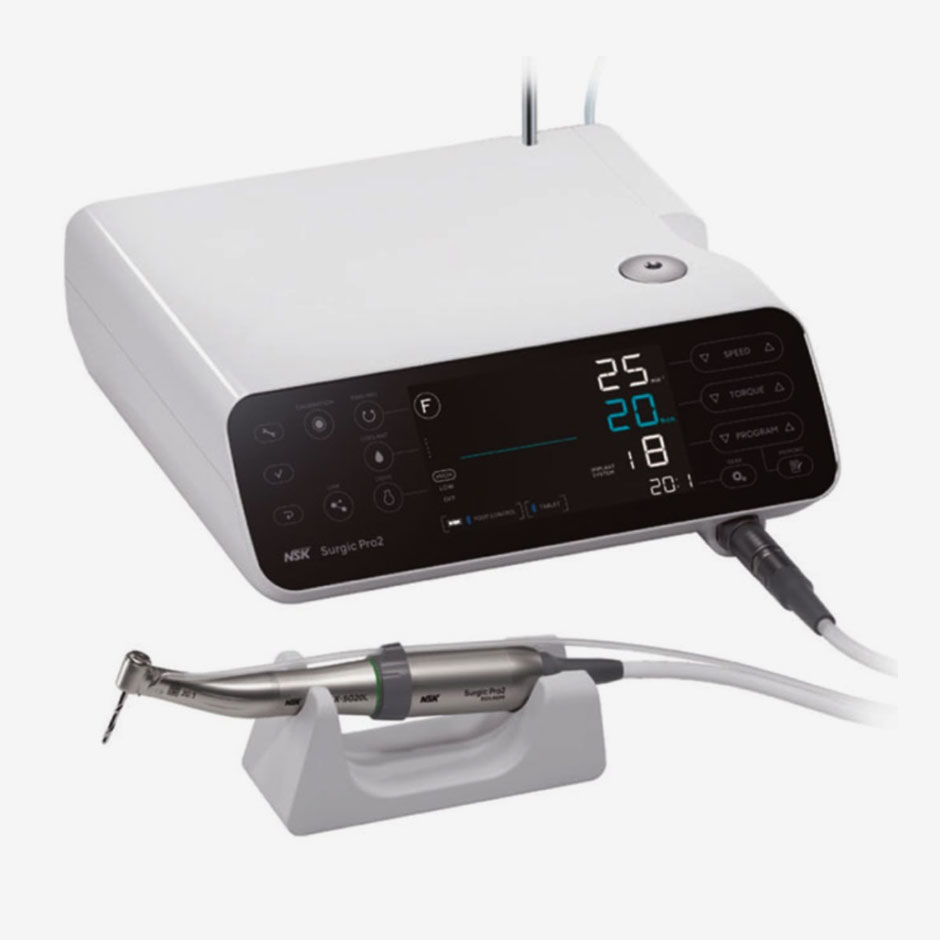
At Limestone Coast Dental, our experienced dentists use the latest technology and minimally invasive techniques to make wisdom tooth removal safe, stress-free, and comfortable. This advanced approach helps reduce pain, swelling, and recovery time, giving you the smoothest experience possible.

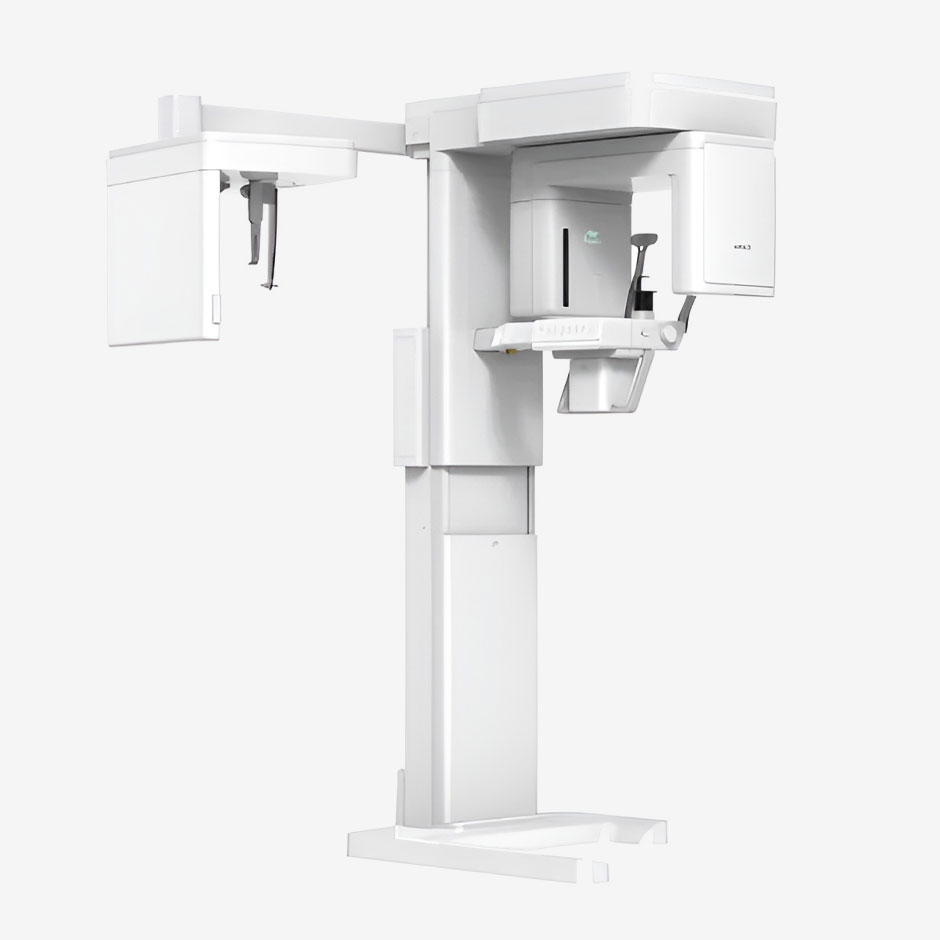
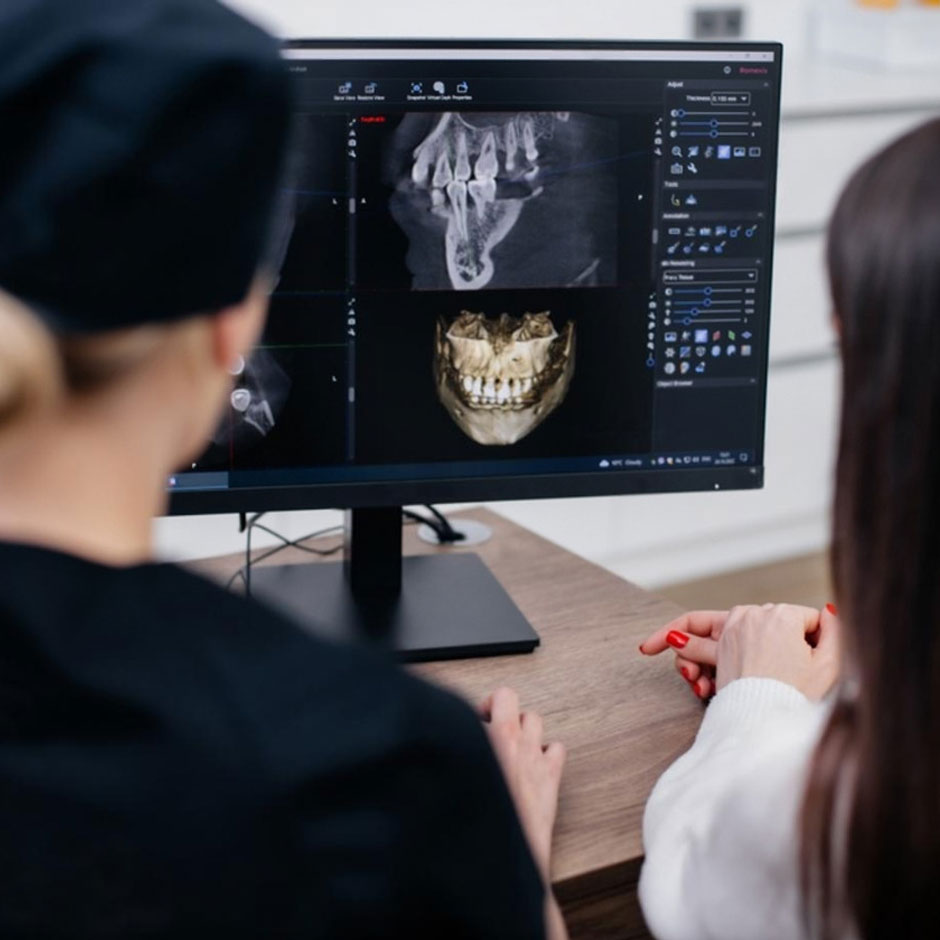
LOW-DOSE, HIGH-RESOLUTION 3D CBCT SCANS ADVANCED, ECO-FRIENDLY TECHNOLOGY DELIVERING CLEAR, DETAILED IMAGES

Precise, Individualised Treatment Planning with Cutting-Edge Technology

Minimally invasive technology for gentle, precise tooth removal

Learn more - FAQ

It generally takes a little over two weeks for the socket area to heal. You may experience more pain in the first few days following your procedure, but it should gradually get better each day. If you are experiencing severe pain for more than a week, please contact our office.

The best way to determine if wisdom teeth removal is right for you is to schedule a consultation with one of our dentists. They will examine your mouth and take X-rays to determine if you need to have your wisdom teeth removed.

Wisdom teeth extractions can be performed during pregnancy, but the best time to do them is during the second trimester. Only necessary x-rays are taken while properly wearing a protective apron. This helps keep you and your baby safe.

Depending on the position of your wisdom teeth and how much they have grown in, you may or may not need to have them removed. Our dentists will examine your mouth and take X-rays to determine if they need to be removed.

Actually, nothing will happen if you don't get your wisdom teeth removed. However, if they are not removed and become impacted (stuck under the gum tissue or bone), they can cause problems. Some problems include:

  • Crowding of other teeth

  • Infection

  • Cysts or tumors

  • Damage to other teeth

It can typically take up to two weeks for your gums and mouth to recover after wisdom teeth removal. You may experience the following symptoms during this time:

  • Swollen mouth and cheeks (this will worsen for the first few days but gradually improve; placing a cold cloth against your face can help minimise swelling).

  • Bleeding (your dentist will give you gauze to bite on to help stop the bleeding).

  • Pain and tenderness in your gums and around your mouth.

  • Difficulty opening your mouth (this is normal and will gradually improve as the numbness from the anesthesia wears off).

In case your dentist recommended wisdom teeth removal, you may be wondering how painful the procedure will be. The good news is that most people report minimal pain after wisdom tooth removal. In fact, most people only feel pain for the first day or two after the wisdom tooth removal procedure.

During the surgery, you will be given local anaesthetic to numb the area around your wisdom teeth. This will help keep you comfortable during the procedure. You may also be given sedation to help you relax.

After the procedure, you may feel some pain and soreness in your mouth. This is normal and can be managed with over-the-counter pain medication. If you are experiencing a lot of pain, please contact our office.

To help ensure a speedy and complication-free recovery, it’s important to follow the aftercare instructions provided by your dentist. These instructions may include:

Do's:

  • Take your pain medication as prescribed.

  • Use an ice pack to reduce swelling (20 minutes on, 20 minutes off).

  • Eat soft foods and gradually introduce solid foods back into your diet.

  • Brush your teeth gently with a soft-bristled toothbrush.

Don’ts:

  • Smoke or use tobacco products.

  • Drink through a straw.

  • Rinse your mouth vigorously.

  • Spit a lot.

Following these instructions will help you recover quickly and avoid any complications. If you have any questions or concerns, please contact our office. We are here to help you through every step of the process.

If you have a private health fund with major dental cover, they may cover a portion of the extraction costs under item numbers 311, 322 and 324. 

For further information or to check if you are covered, please book a consultation or contact our practice.

Rated 5 of 5

Kind Words From Our Limestone Coast Community

Your New Smile Starts Here

Every great smile begins with a single step—and we’re here to make sure yours is unforgettable. Whether it’s a subtle tweak or a full transformation, our tailored approach blends art, science, and heart to bring out your very best.

Book a Consultation to Chat
All Major Health Funds Accepted