Dental Implants

You’ve lost a tooth or perhaps it was never there to begin with! Maybe the decay on your tooth was too deep to restore or perhaps you’re a hockey player and caught a puck…with your front tooth! It’s time we discussed dental implants!

What Are Dental Implants?

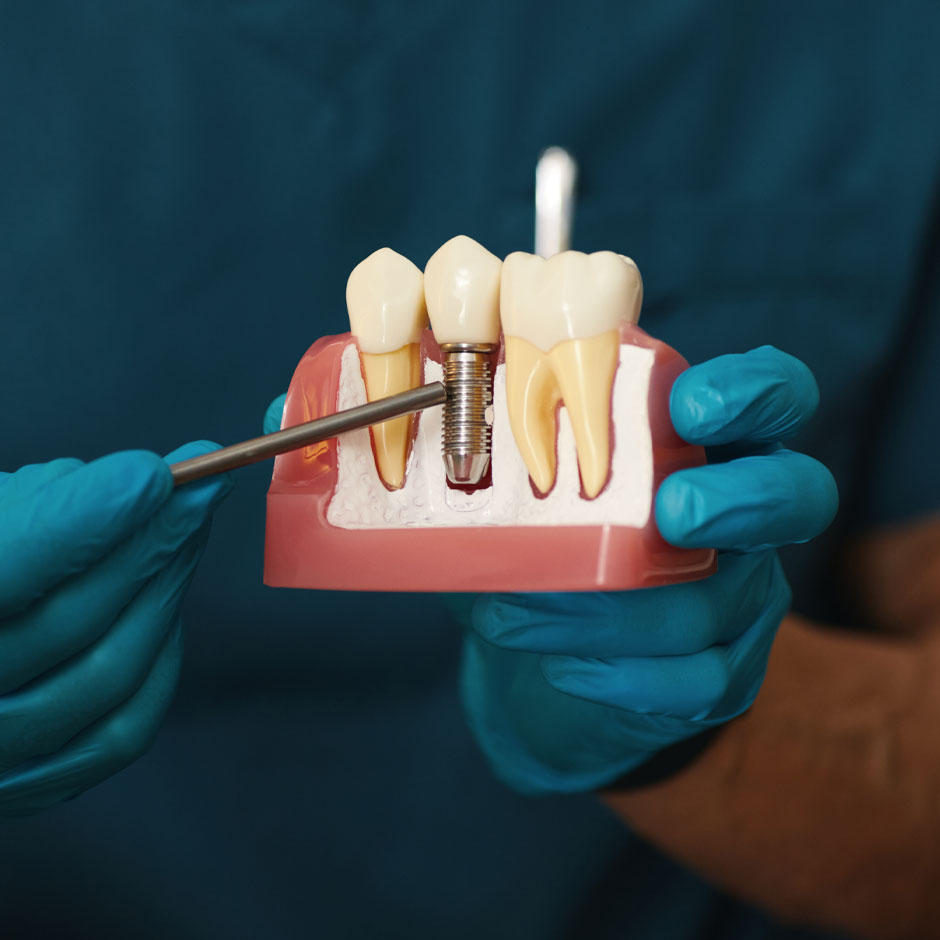
Firstly, let's look at the structure of your natural teeth. They consist of a visible part called the 'crown', which is seen when you smile and eat, and a root that anchors the tooth in your jawbone. Dental implants are designed to mimic the natural components of a tooth's structure, consisting of similar parts. This allows implants to closely resemble the construction of your natural teeth.

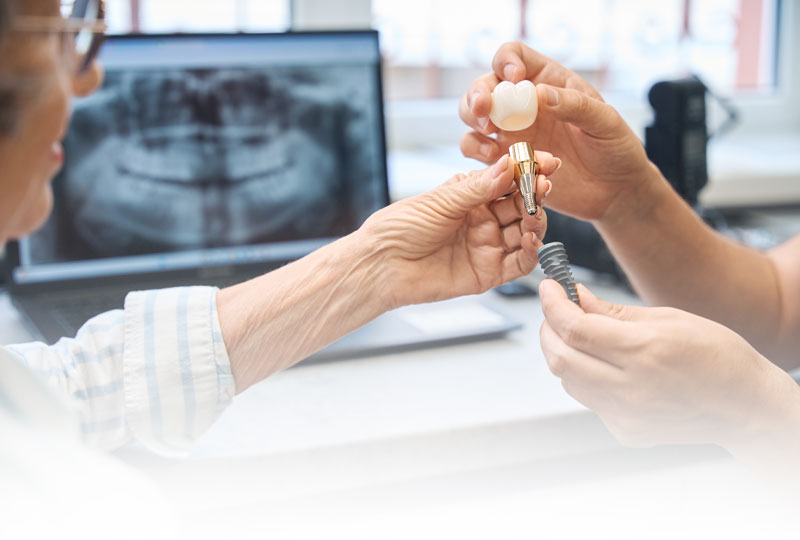
The dental implant consists of a small 'tooth root' like fixture, crafted using high quality, medical grade titanium or ceramic. The implant is inserted into your jaw bone to act as an artificial root. Then, a crown which looks like a natural tooth is attached to an abutment on the implant and you have a complete solution that looks and feel 100% natural.

Dental implants are comfortable and feel completely natural.

Multiple teeth or full mouth replacement do not require titanium implants in every tooth. If several teeth on one side of your mouth needs replacing we build a ‘bridge’ and achieve this with as little as two fixtures. If you wish to get a full mouth of teeth, it can be achieved with a total of four - six implants

Types of Dental Implants

Single Dental Implants


As it sounds, a single dental implant is the complete solution to replace one missing tooth. The treatment includes the anchor, abutment and a dental crown to perfectly resemble a natural tooth.
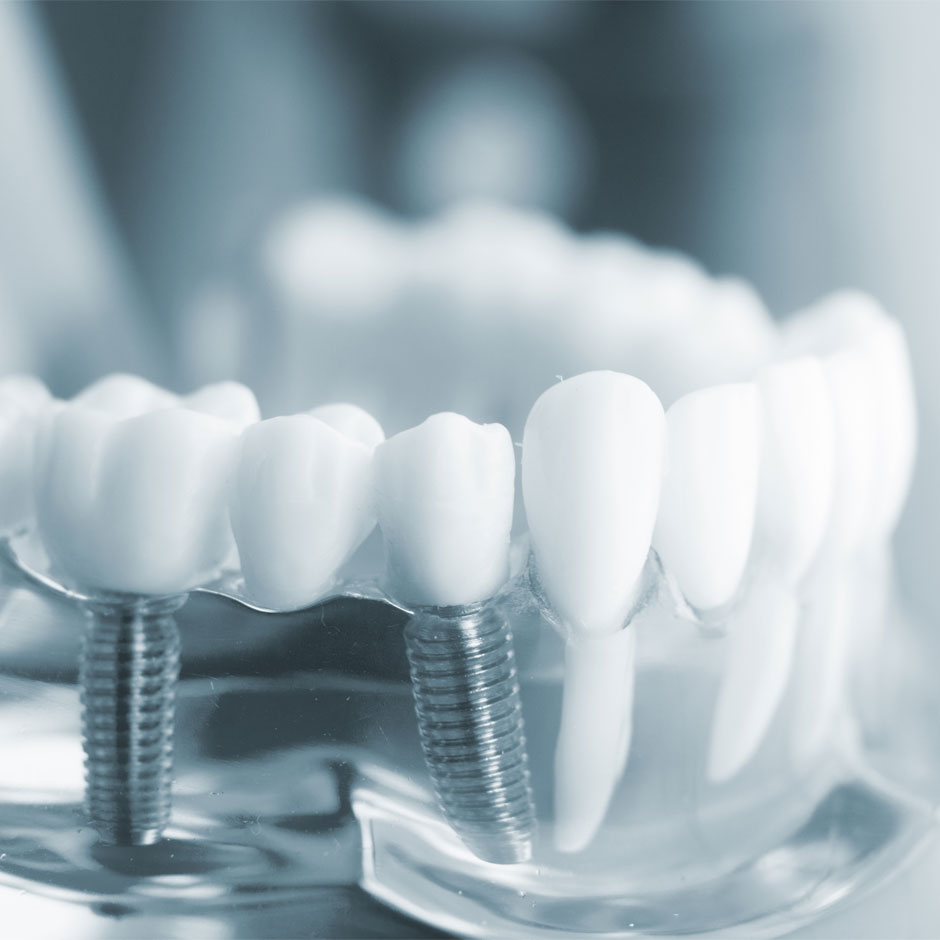
Multiple Dental Implants


Multiple dental implants area a suitable option when several missing teeth need to be replaced. The treatment involves several implants that are strategically placed to support a dental bridge or implant supported dentures.
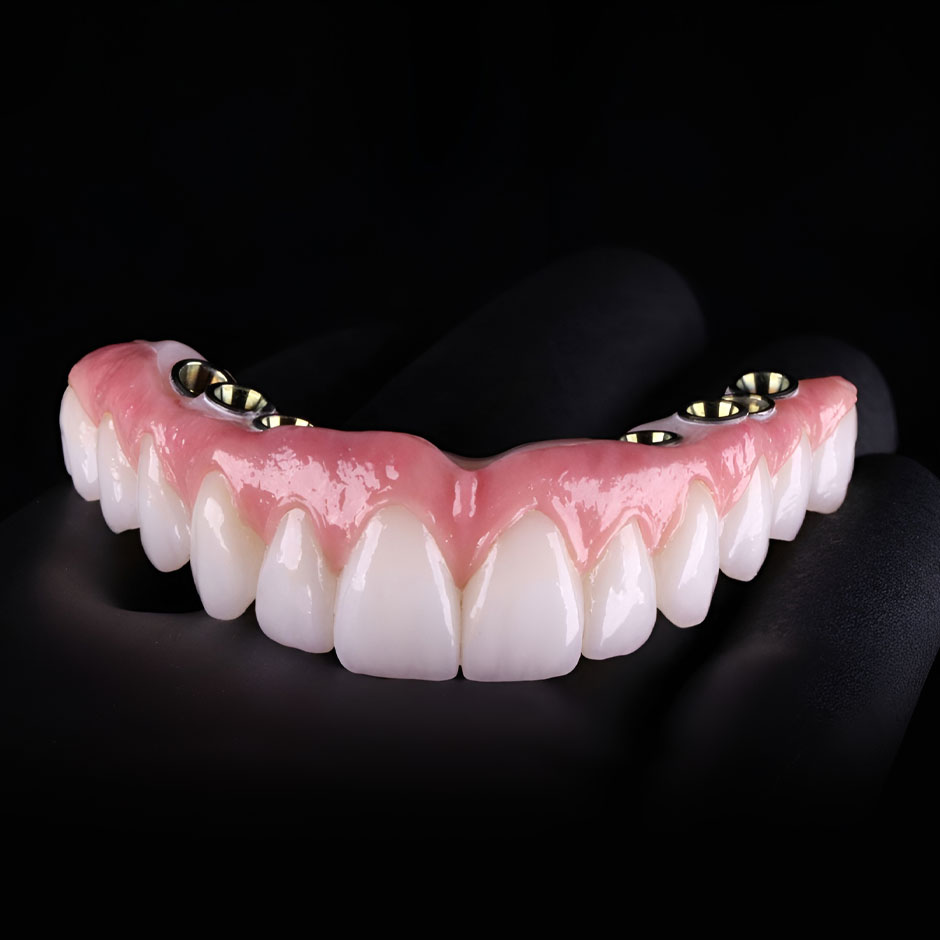
Full Mouth Dental Implants


Full mouth dental implants are an effective treatment for cases where excessive decay is present or multiple teeth are missing. Full mouth implants are a fixed alternative to dentures. Attached to multiple implants, it provides a reliable and long-lasting solution.
Benefits of Dental Implants

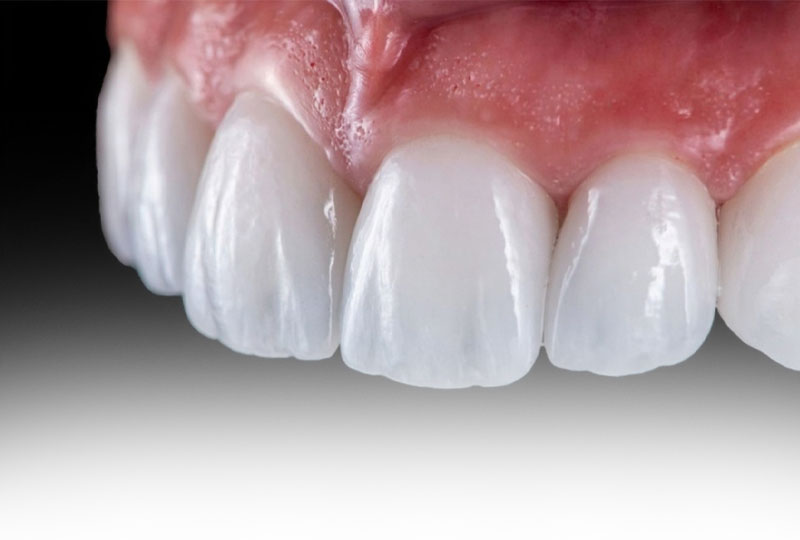
Dental implants offer a multitude of benefits for individuals seeking tooth replacement solutions. With their ability to provide a natural and aesthetically pleasing appearance, seamlessly blending in with existing teeth and restoring natural function, dental implants can leave you with a smile you’ll be proud of.

Benefit of dental implants

IMPROVED
APPEARANCE

Benefit of veneers

LONG-LASTING & DURABLE

Benefit of veneers

RESTORES
FUNCTION

Restore your smile, confidence, and bite with dental implants that look and feel natural,
using cutting-edge technology and techniques

THE DENTAL IMPLANT PROCESS

from start to finish

1. Asessment

Initial Exam & Taking of Digital Records
To start your implant journey, we will take a full set of photos of your teeth and face and some xrays including a 3D CBCT scan. We will also conduct a thorough intra-oral examination to assess your overall oral health and eligibility for dental implants. The goal of this appointment is to identify which treatment options are best for you moving forward.

2. surgical stage

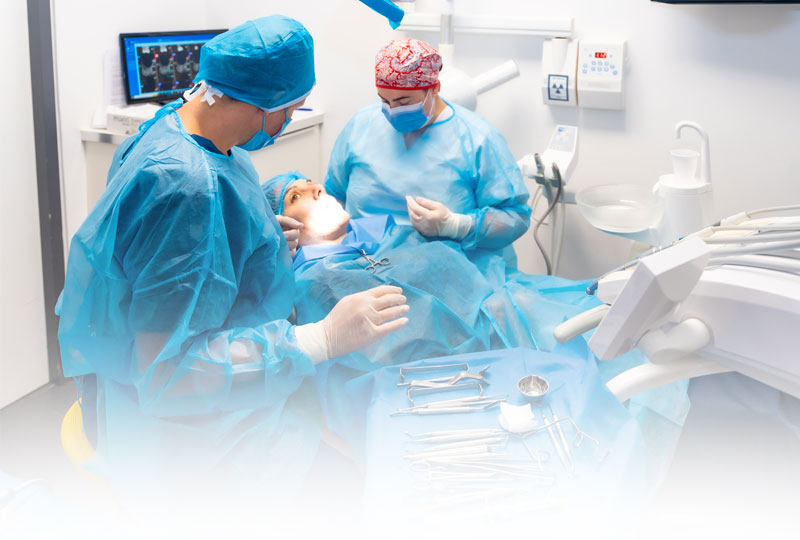
The titanium implant is surgically placed into the jawbone during a straightforward implant is positioned to integrate with the jawbone, forming a secure base for replacement teeth. procedure. Local anesthesia or sedation options are used to ensure your comfort. The

3. Restorative Stage

Once your implant has fully healed and integrated with your jaw bone—typically around 2–4 months after placement—it’s time for the most rewarding stage of your smile journey. Using the latest technology and our state-of-the-art, fully digital scanning workflow, we capture precise scans to design your beautiful ceramic crown (or bridge). Over two relaxed visits, we will craft, fit, and fine-tune your new tooth so it feels natural, functions seamlessly, and blends perfectly with your smile.

State-Of-The-Art

Treatment Planning for Affordable Dental Implants

Digital workflows in implant treatment have improved diagnosis, case planning, and surgical execution, leading to more predictable implant outcomes. Successful implant planning reduces the likelihood of severe side effects and post-operative complications.

Care Following a Dental Implant Procedure

To get the best results from your dental implants, a little care goes a long way. Keep up a great oral hygiene routine—brush, floss, and don’t skip those regular check-ups!
In the early healing phase, try to avoid hard or sticky foods to protect the implant area. Be sure to follow the post-op instructions given at your appointment for a smooth and speedy recovery.
With the right care, your implants will feel and function just like natural teeth—strong, reliable, and built to last.

Our High-Tech & Integrative Approach to Dental Implants

All the technology needed for your tooth implants is located right here at Limestone Coast Dental

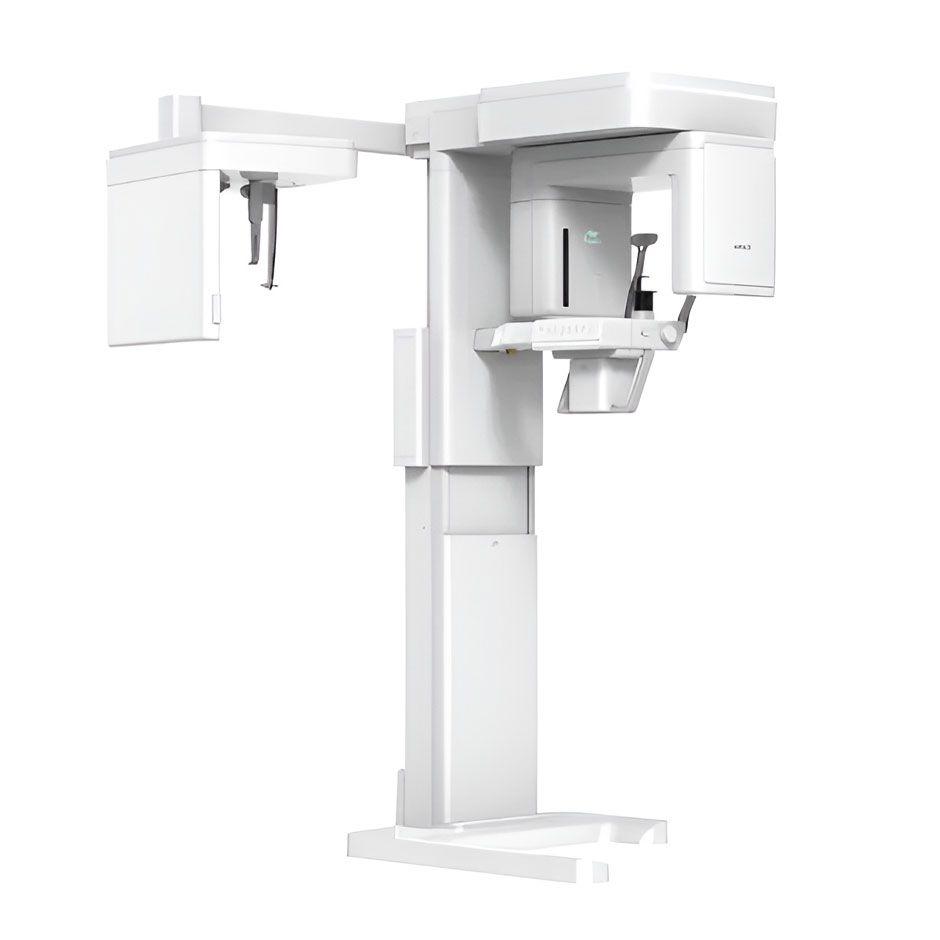
LOW-DOSE, HIGH-RESOLUTION 3D CBCT SCANS ADVANCED, ECO-FRIENDLY TECHNOLOGY DELIVERING CLEAR, DETAILED IMAGES
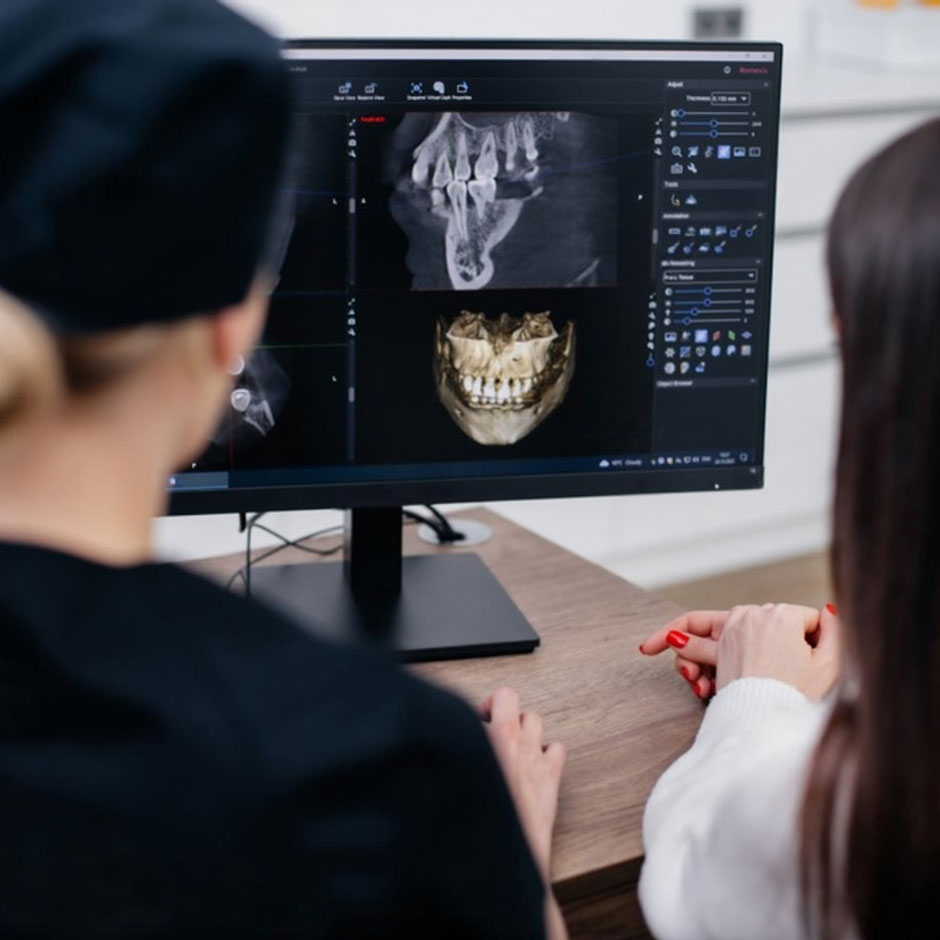
Precise, Individualised Treatment Planning with Cutting-Edge Technology
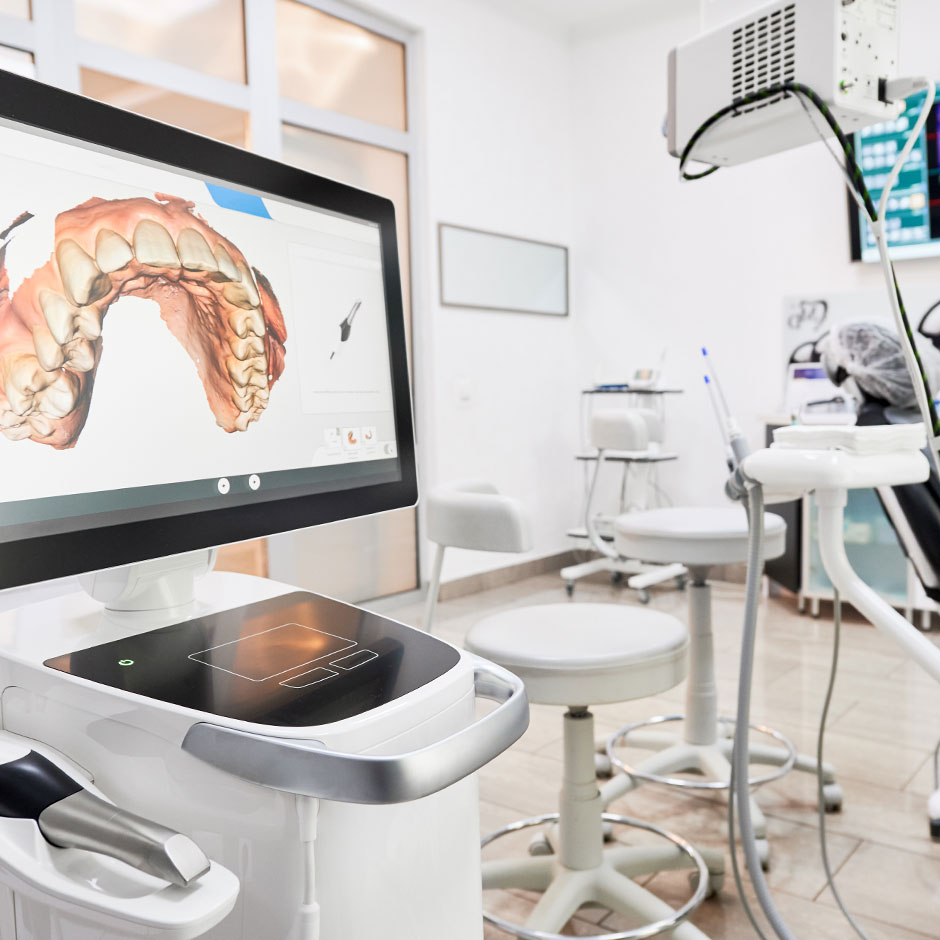
Advanced 3D Scanning for Precise Digital Impressions
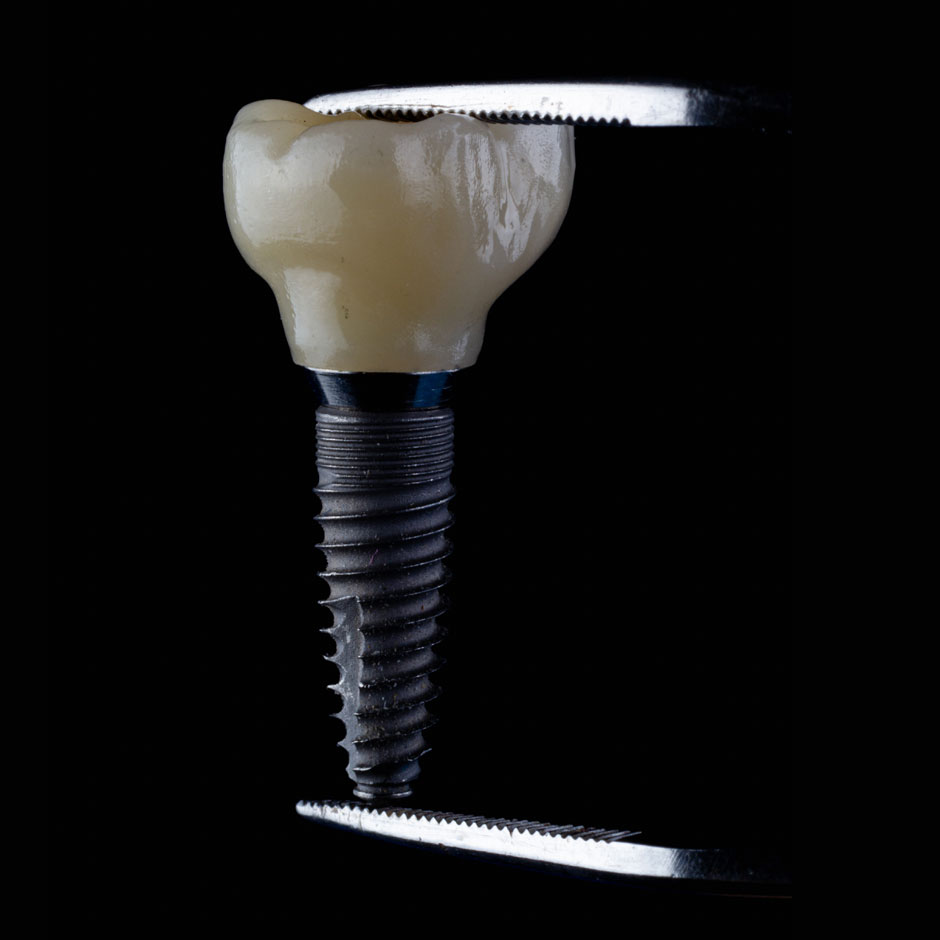
Crafted with the Best Materials for Strength and Aesthetics

Learn more - FAQ

Dental implants are a restorative dental option that are used to replace missing or severely damaged teeth. They consist of a small, biocompatible post that is surgically implanted into the jawbone, which serves as a stable and durable foundation for a custom-made replacement tooth or dental crown. Dental implants are designed to look and function like natural teeth, and they can improve the appearance of the smile, restore oral function, and prevent bone loss in the jaw. Dental implants can be used to replace a single tooth, multiple teeth, or a full arch of teeth, and they are considered a long-term solution for tooth loss.

Dental implants are designed to be a long-lasting solution for missing teeth, and with proper care and maintenance, they can last for many years, even a lifetime. Studies have shown that the success rate of dental implants is over 95%, and many patients can expect their implants to last for 15-25 years or longer. However, the lifespan of a dental implant can vary depending on several factors, such as the patient’s oral health, the quality and density of the jawbone, and the patient’s commitment to oral hygiene and regular dental check-ups. Your Bite Dental dentist can provide more personalized information about the expected lifespan of your dental implants based on your individual needs and circumstances.

Dental implants work by replacing the root of a missing tooth with a small, biocompatible post that is surgically implanted into the jawbone. The implant post serves as a stable and durable foundation for a custom-made replacement tooth or dental crown. The process of getting dental implants typically involves several steps, including a consultation and treatment planning, the surgical placement of the implant post into the jawbone, a period of healing and osseointegration (where the implant fuses with the surrounding bone), and the attachment of a custom-made replacement tooth or dental crown onto the implant post. Dental implants are designed to look and function like natural teeth, and they can improve the appearance of the smile, restore oral function, and prevent bone loss in the jaw. Dental implants are considered a long-term solution for tooth loss and can provide a permanent and durable option for patients who want to replace missing or severely damaged teeth.

Dental implants are designed to look and feel like natural teeth, and they are custom-made to blend seamlessly with the surrounding teeth in a patient’s mouth. The visible portion of a dental implant is typically a custom-made dental crown or bridge, which is attached to the implant post using an abutment. The dental crown or bridge is designed to match the color, shape, and size of the patient’s natural teeth, and it is made from high-quality dental materials, such as porcelain or ceramic, that are durable and long-lasting. The implant post itself is typically made from a biocompatible material, such as titanium, and it is designed to be inserted into the jawbone to provide a stable and durable foundation for the replacement tooth or teeth. Your Bite Dental dentist can provide more information about the specific design and appearance of dental implants based on your individual needs and circumstances.

After getting dental implants, it is important to follow your dentist’s instructions for proper care and healing to ensure the long-term success of the procedure. In the first few days following the implant surgery, you will need to stick to a soft food diet to allow the implant site to heal properly. You should avoid hard, crunchy, or sticky foods that could irritate the implant site or dislodge the implant post. As the implant site heals and the implant fuses with the surrounding bone (a process known as osseointegration), your dentist will gradually clear you to introduce more solid foods into your diet. The exact timeline for returning to normal eating habits will depend on the individual patient and the extent of the implant surgery. Your Bite Dental dentist will provide you with specific instructions and guidance on how to care for your dental implants and when you can resume your normal diet.

Dental implants are typically made from a biocompatible material, most commonly titanium, due to its strength, durability, and ability to fuse with bone. The implant post, which is inserted into the jawbone to provide a stable foundation for the replacement tooth or teeth, is typically made from medical-grade titanium. The abutment, which attaches the implant post to the replacement tooth or teeth, may also be made from titanium, or it may be made from a different material, such as zirconia or gold. The visible portion of the dental implant, such as the dental crown or bridge, is typically made from high-quality dental materials, such as porcelain or ceramic, that are durable, long-lasting, and designed to match the patient’s natural teeth. Your Bite Dental dentist can provide more information about the specific materials used in dental implants and how they can benefit your individual needs and circumstances.

Like any surgical procedure, dental implant placement does carry some risks, although they are generally rare and can often be avoided with proper planning and care. Some potential risks associated with dental implants include infection, nerve damage, bleeding, and implant failure. In addition, some patients may experience complications such as implant rejection, implant mobility, or damage to surrounding teeth or structures. However, these risks can often be minimized by careful patient selection, proper surgical technique, and good post-operative care. Your Bite Dental dentist will carefully assess your individual needs and health status to determine if dental implants are a safe and appropriate treatment option for you. They will also provide you with detailed information about the potential risks and benefits of the procedure, so that you can make an informed decision about your oral health.

Proper oral hygiene is essential to maintaining the health and longevity of dental implants. To clean dental implants, it is important to brush twice a day using a soft-bristled toothbrush and fluoride toothpaste, focusing on the implant area and surrounding gums. It is also recommended to floss at least once a day using an interdental brush or floss specifically designed for dental implants. Regular dental check-ups and professional cleanings are also important for ensuring the health of dental implants and identifying any potential issues before they become serious. In addition, avoiding smoking and maintaining a healthy diet can also help promote the long-term success of dental implants. Your Bite Dental dentist can provide you with more detailed instructions and guidance on how to properly care for your dental implants to ensure their longevity and your oral health.

While it is possible to place dental implants and restore them in a single day using specialized techniques, it’s important to note that not all patients are good candidates for this type of procedure. Same-day implant placement carries some risks, such as implant failure or complications from the surgery, and requires careful patient selection and planning. At Bite Dental, we prioritize safe and conservative dentistry, and will only recommend same-day implant placement when we are confident it is the best option for a patient based on their individual needs and circumstances. Our team of experienced dental professionals will work with you to develop a personalized treatment plan that prioritizes your oral health and overall well-being.

The duration of dental implant surgery can vary depending on several factors, including the number and location of implants being placed, the patient’s overall health, and the complexity of the procedure. In general, the surgery itself typically takes between 1-2 hours per implant. However, there may be additional time required for the placement of bone grafts or other preparatory procedures, as well as for the administration of anesthesia and post-operative monitoring. Your Bite Dental dentist can provide you with a more accurate estimate of the expected duration of your implant surgery based on your individual case and treatment plan.

The decision to use general anesthesia or conscious sedation during dental implant surgery depends on several factors, including the patient’s health history, the complexity of the procedure, and the patient’s level of anxiety. While some patients may require general anesthesia to ensure their comfort during the procedure, most patients can receive conscious sedation or local anesthesia to numb the area and keep them relaxed during the surgery. Your Bite Dental dentist will discuss the various anesthesia options with you and help you determine which approach is best suited to your individual needs and preferences.

The timing of dental implant placement after tooth extraction depends on several factors, including the location of the missing tooth, the condition of the surrounding bone and soft tissue, and the patient’s overall oral health. In some cases, it may be possible to place an implant immediately after a tooth extraction, while in other cases, a healing period of several months may be necessary to allow the bone and soft tissue to fully recover before the implant can be placed. Your Bite Dental dentist will evaluate your individual case and recommend a treatment plan that maximizes the chances of a successful outcome.

No, you do not have to go without teeth before getting implants. In many cases, a temporary tooth or teeth can be placed at the same time as the implant surgery, so you can maintain your appearance and your ability to chew and speak normally during the healing period. Your Bite Dental dentist will work with you to develop a treatment plan that minimizes any disruption to your daily routine and provides you with the best possible results.

Rated 5 of 5

Kind Words From Our Limestone Coast Community

Your New Smile Starts Here

Every great smile begins with a single step—and we’re here to make sure yours is unforgettable. Whether it’s a subtle tweak or a full transformation, our tailored approach blends art, science, and heart to bring out your very best.

Book a Consultation to Chat
All Major Health Funds Accepted