Tooth Extraction
While preserving your natural tooth is always our first priority, sometimes an extraction is the best option for your situation.
Our experienced team will ensure the process is safe, gentle, and as comfortable as possible
Tooth Removal At Limestone Coast Dental
At Limestone Coast Dental, we always aim to preserve your natural teeth whenever possible. However, in some cases extraction may be the best option for your health, such as when a tooth is severely decayed, broken beyond repair, affected by gum disease, impacted (like wisdom teeth), or needs to be removed in preparation for orthodontic treatment.
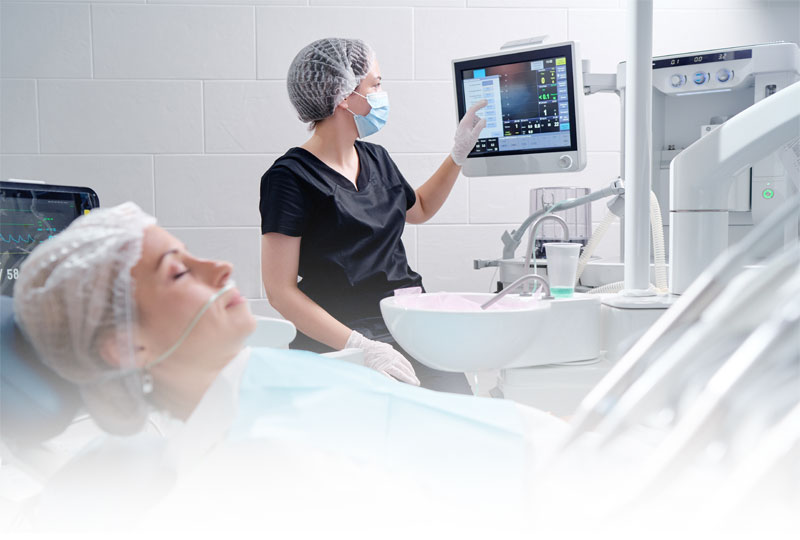
We understand that the idea of having a tooth removed can feel daunting. That’s why our experienced dentists use gentle, minimally invasive techniques, combined with options for local anaesthesia or deep sedation with a specialist anaesthetist. This ensures the procedure is not only safe, but also as stress-free and comfortable as possible.
After your extraction, we’ll provide clear aftercare instructions and, if necessary, discuss tooth replacement solutions to restore your bite and smile. Our goal is to support you through every step with compassion, reassurance, and the highest standard of care.
Reasons for Tooth Extraction
Tooth extraction is always considered a last resort, but in some cases it is the best way to protect your overall dental health. When a tooth is badly damaged, infected, or causing problems for surrounding teeth, removal may be the most effective solution.
Severe decay or infection that cannot be repaired
Impacted or problematic wisdom teeth
Overcrowding or preparation for orthodontic treatment
Teeth broken or damaged beyond repair due to trauma

Types of Tooth Extraction
Every mouth is different, and sometimes teeth need different approaches. No matter the type, our focus is always on making the procedure safe, gentle, comfortable and as stress-free as possible.

Simple Extraction
This is the most common type and is used when the tooth can be seen above the gum. It is gently loosened and removed under local anaesthetic, so the process is quick and comfortable.
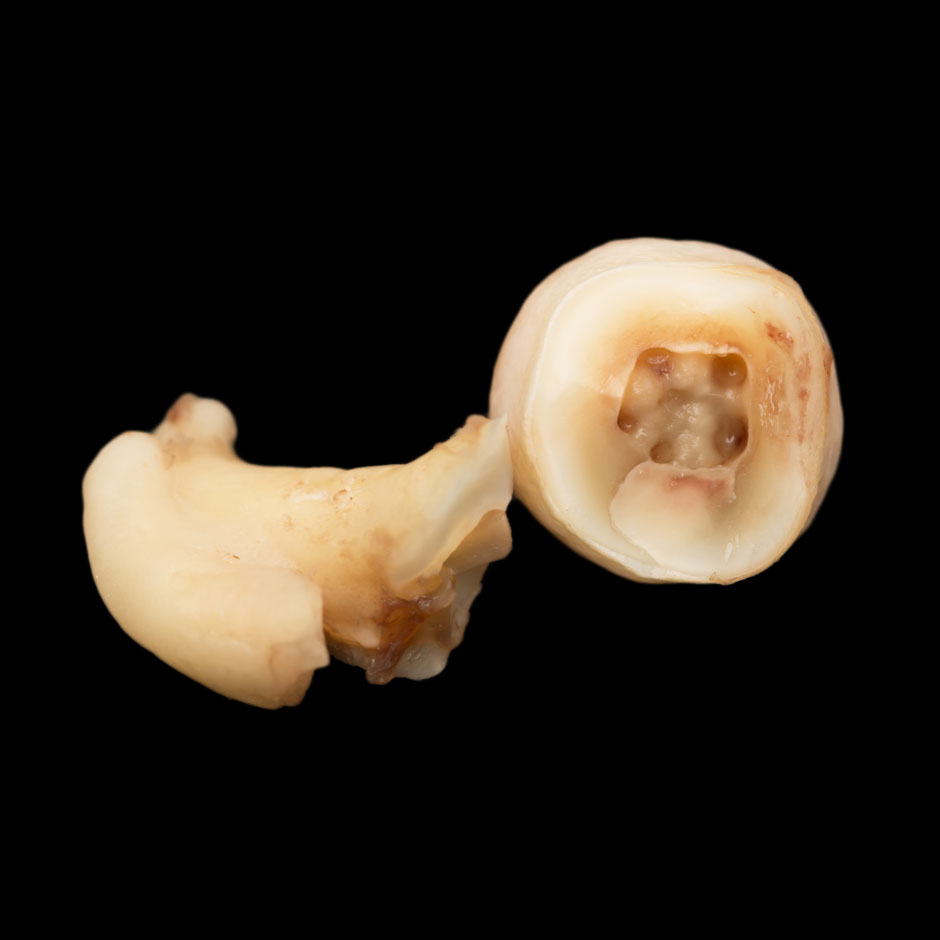
Sectional Extraction
Sometimes a tooth is taken out in smaller pieces. This gentle approach makes the removal smoother, more comfortable, and stress-free for you.

Surgical Extraction
If a tooth is impacted or sitting beneath the gum, a minor surgical approach may be needed. This is done with gentle techniques, and sedation options are available to ensure you remain relaxed and comfortable throughout.
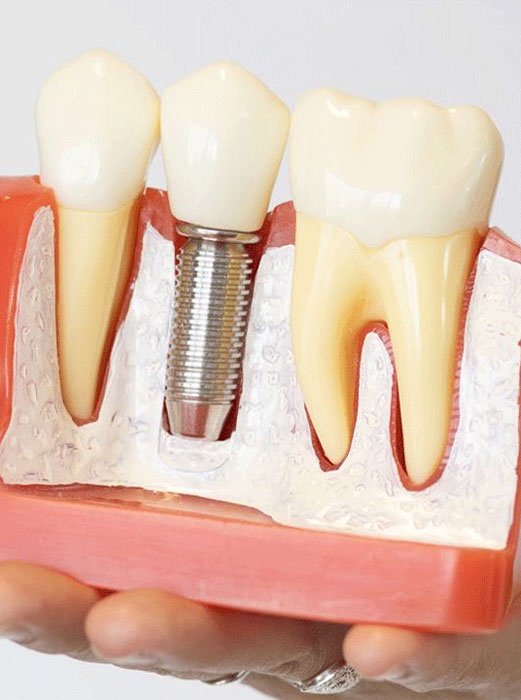
How to replace a missing tooth?

Dental Implant
A single dental implant is suitable for individuals with a solitary missing tooth. The treatment involves a titanium screw that is surgically placed into the jawbone to replace the missing tooth's root. This implant acts as an anchor for attaching a dental crown which resembles a natural tooth.
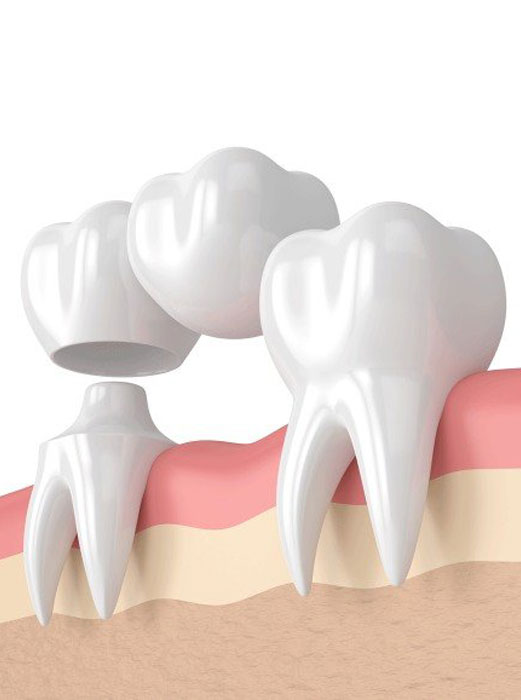
Dental Bridge
Dental bridges are custom-made restorations that consist of a prosthetic tooth (or teeth) anchored to neighbouring natural teeth or dental implants. This bridge "bridges" the gap, restoring not only the appearance of the smile but also the functionality of the teeth.
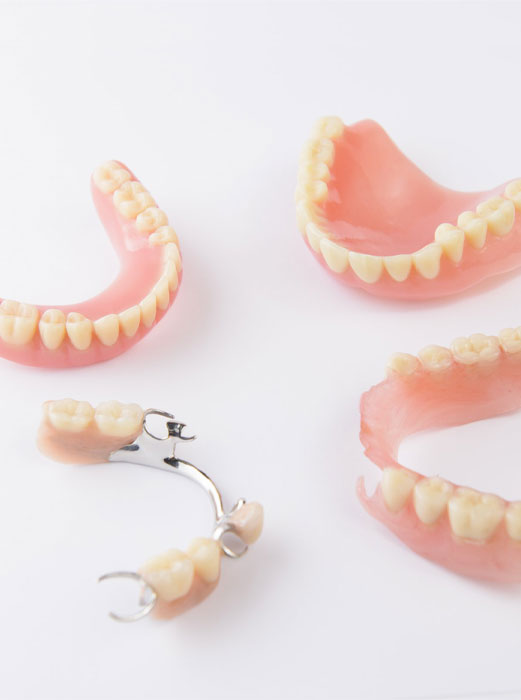
Dentures
Dentures are a versatile prosthetic option that can restore both function and aesthetics to your smile following a tooth extraction. Dentures are custom-made to fit in your mouth, providing support for your lips and cheeks.
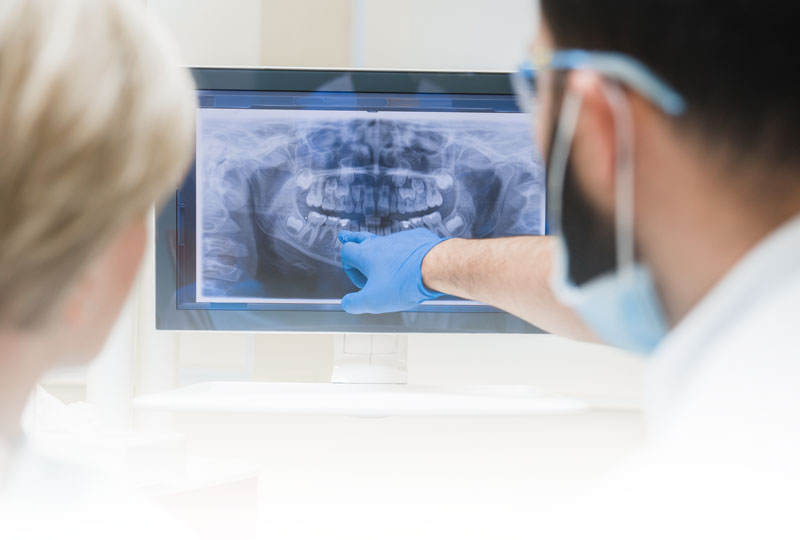
At Limestone Coast Dental, We Have Extensive Experience In Surgical
And Non-Surgical Wisdom Teeth Extraction Techniques, Allowing
For The Most Comfortable And Gentle Experience For Our Patients.
The Tooth Removal Process
Gentle and supportive care, with your comfort as our priority. At Limestone Coast Dental, our experienced dentists are highly skilled in both non-surgical and minimally invasive surgical techniques, making tooth removal safe, smooth, and as comfortable as possible.
1
Consultation & Planning
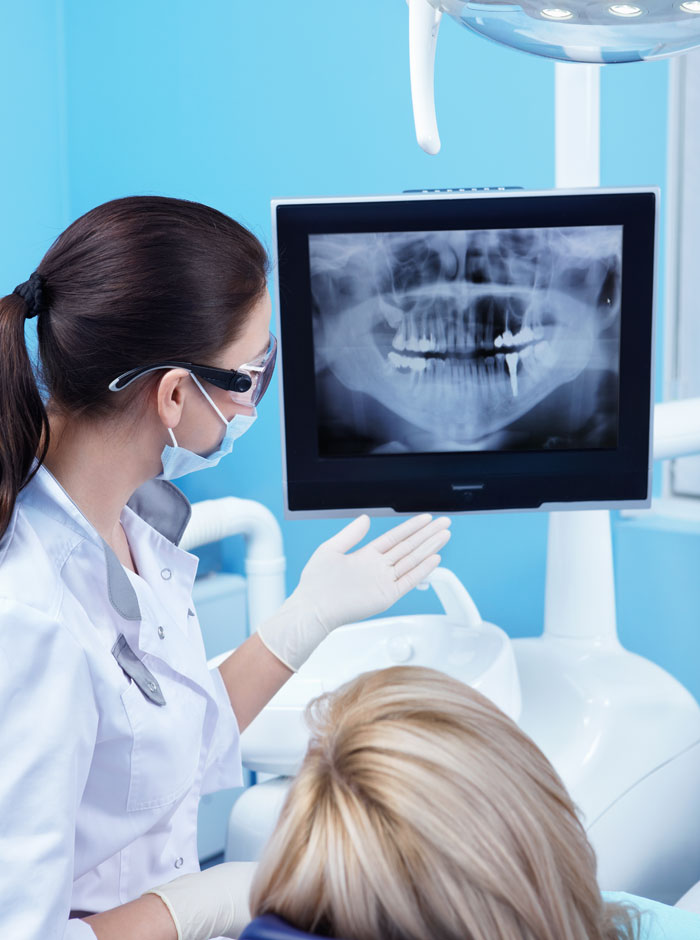
We start with a thorough check-up and X-rays if needed, making sure we understand your health and tailor the procedure to you.
2
Comfortable Numbing
Local anaesthetic is used to fully numb the area, and sedation options are available if you’d like extra relaxation.
3
Gentle Tooth Removal
With precise and careful techniques, the tooth is smoothly removed. If needed, a small incision or sectional approach makes the process easier and stress-free.
4
Healing & Care
The site is cleaned, stitches placed if required, and you’ll be given clear aftercare instructions. We’ll also discuss replacement options to keep your smile healthy.
AFTERCARE
After a tooth extraction, it’s normal to experience a little swelling or tenderness as your mouth begins to heal. If stitches are placed, they are usually dissolvable and will disappear on their own within a week.
If you had sedation, please make sure a friend or family member drives you home and stays with you while you rest. Before you leave, we’ll go over clear instructions on how to look after yourself and what to avoid so your recovery is smooth and comfortable. And if you have any worries, we’re only a phone call away.
Tooth Recovery Process
Proper oral care after a tooth extraction is vital to ensure a quick recovery. Rinse your mouth gently with warm salt water a few times daily to keep the area clean.
Continue brushing your teeth with a soft-bristled toothbrush; however, avoid disturbing the extraction site directly.
After a tooth extraction, you can typically take over-the-counter pain relief medications to reduce pain and inflammation.
It's essential to follow our recommendations and prescriptions for pain relief to ensure a smooth recovery.
Opt for soft and easy-to-chew foods in the days following the procedure. Consider eating yogurt, smoothies, pureed soups, mashed potatoes, and well-cooked pasta. Avoid crunchy, hard, or spicy foods that could irritate the extraction site. Most importantly, don't forget to stay hydrated!
For the best healing, avoid smoking and drinking alcohol for at least 72 hours after surgery. Smoking can slow healing and increase the risk of a painful condition known as “dry socket,” while alcohol can interfere with both healing and prescribed pain medications.
State-of-the-Art Technology & Gentle Techniques
At Limestone Coast Dental, our experienced dentists use the latest technology and minimally invasive techniques to make wisdom tooth removal safe, stress-free, and comfortable. This advanced approach helps reduce pain, swelling, and recovery time, giving you the smoothest experience possible.

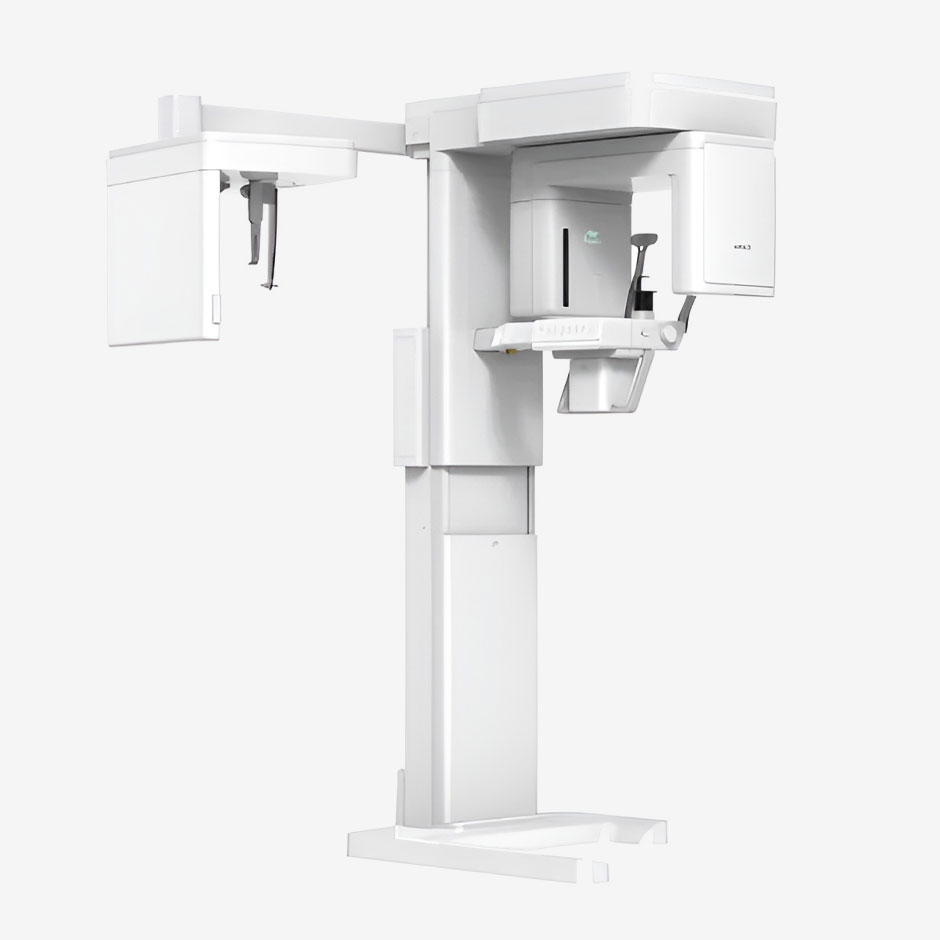
LOW-DOSE, HIGH-RESOLUTION 3D CBCT SCANS ADVANCED, ECO-FRIENDLY TECHNOLOGY DELIVERING CLEAR, DETAILED IMAGES
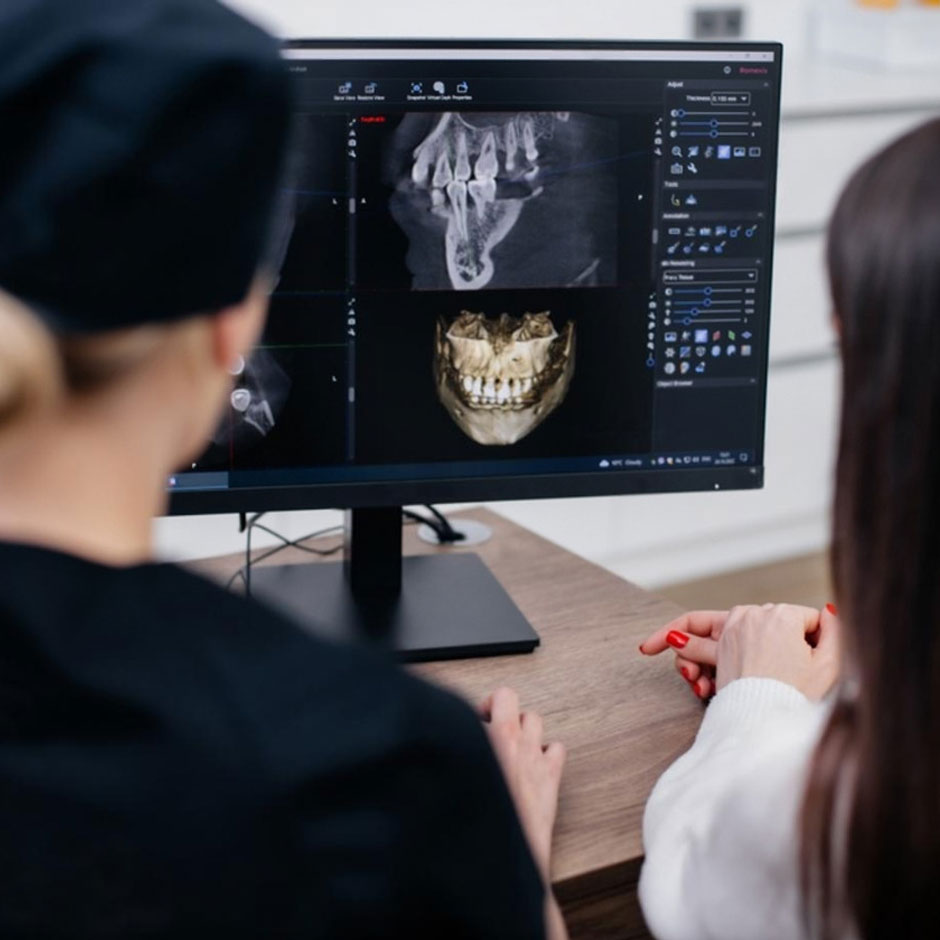
Precise, Individualised Treatment Planning with Cutting-Edge Technology
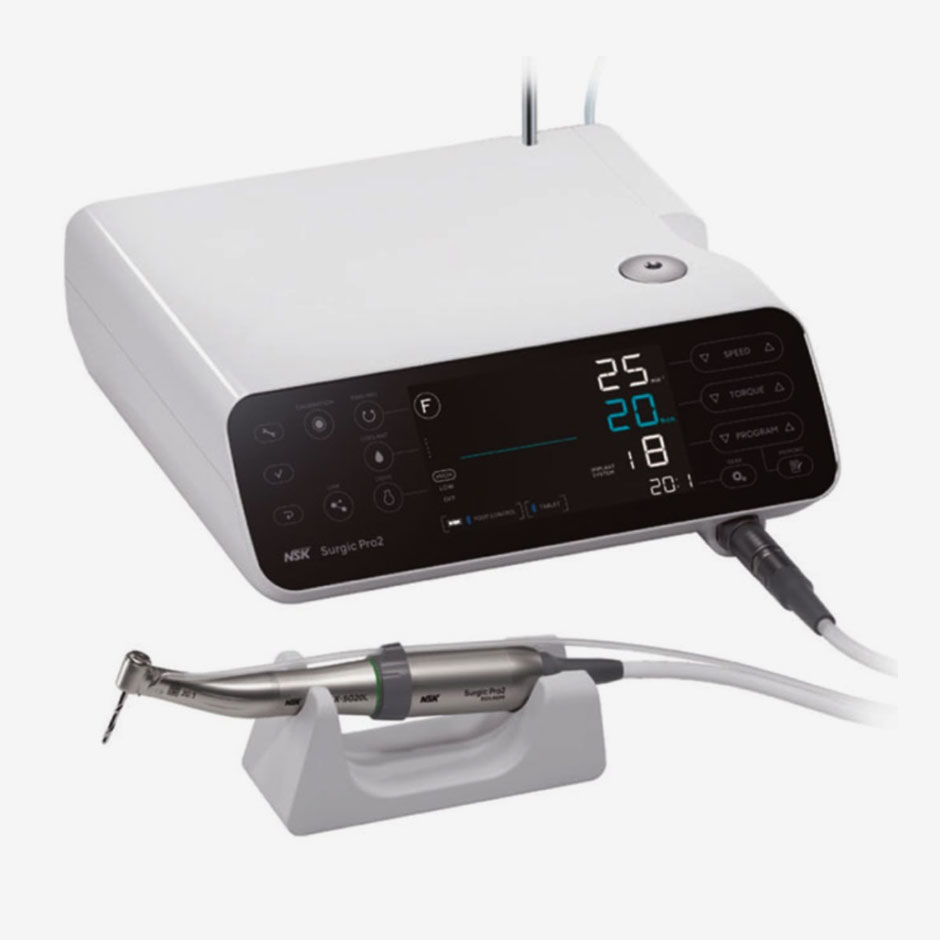
Minimally invasive technology for gentle, precise tooth removal
Learn more - FAQ
The initial healing process usually takes about 24 hours, during which time it is important to keep the area clean and free of debris. After the initial healing is complete, it can take another week or two for the area to close up fully.
During this time, it is important to eat soft foods and avoid using straws, which can cause the extraction site to re-open. In most cases, people fully recover within a few weeks with no long-term problems.
However, in some cases, complications can occur. If you experience excessive bleeding, swelling, or pain, immediately contact our office.
Even though a local anaesthetic is used to numb the area, you may still feel some pressure during the procedure. After the anaesthetic wears off, you may experience some discomfort. To help manage the pain, we recommend taking over-the-counter pain medication and applying ice to the area.
Of course, everyone experiences pain differently, so it is impossible to say definitively how much pain you will feel. However, the vast majority of patients find that the pain is manageable and that it quickly subsides after the procedure is complete.
Depending on the complexity of the extraction and your individual pain tolerance, you may experience some discomfort for a day or two after the procedure. However, this is usually manageable with over-the-counter pain medication.
If you experience any excessive bleeding, swelling, or pain, please contact our office immediately. These could be signs of a more serious problem.
As with any medical procedure, there are some risks associated with tooth extraction. However, these risks are usually minor and can be easily managed. Some of the most common complications include:
Excessive bleeding
Swelling
Pain
Infection
Dry socket (when the blood clot that forms in the extraction site is dislodged prematurely)
Most cases, these complications can be easily managed with medication or other simple treatments. However, if you experience any of these problems, please contact our office so that we can provide the appropriate care.
The pain and bleeding after tooth extraction are normal. For the first day, you can expect some swelling and residual bleeding. However, if either of these symptoms is still severe more than four hours after your procedure, you should call your dentist.
If you are concerned about dental issues concerning your children, keep in mind that baby teeth do not need to be preserved. However, if the tooth is knocked out as a result of an injury, you should arrange an appointment to have your dentist examine the gums and surrounding teeth for signs of stress or damage.
The pain after a tooth extraction usually subsides within a few days to a week. The extraction procedure itself should be painless as you will be numb. It’s the discomfort after the procedure that will need to be managed. Mild discomfort and pain are normal during the initial recovery period as the extraction site heals.
With any procedure there are always risks. Although these risks a generally very low, some of the most common risks include;
Bleeding
Infection
Nerve damage
Dry socket/ pain
Tooth/ root displacement
If you have a private health fund with major dental cover, they may cover a portion of the tooth extraction costs under item numbers 311, 314, 322 and 324. For further information or to check if you are covered, please book a consultation or contact our practice.
Additionally, if your child requires a tooth extraction, you may be eligible for coverage under the Child Dental Benefits Schedule (CDBS). We also accept Department of Veteran Affairs DVA card holders.
Rated 5 of 5
Kind Words From Our Limestone Coast Community
I am dental phobic and it has easily been 15 years or more since I have been. Terrified, I made an appointment to see to a tooth that was giving me grief...
Read more
Sue R.
via google.comFantastic service and wonderful dentist, went for multiple appointments and every time was greeted with the same kind gentle people...
Read more
Felicity H.
via google.comWas pleasantly welcome on arrival. On seeing Dr. Waters, both he and his assistant, were friendly and attentive, putting me at ease right from the start...
Read more
Sandra A.
via google.comDr Sung is great, her assistant also very reassuring during the process, I like many don't enjoy the dentist experience but Limestone Coast Dental are...
Read more
Phil H.
via google.comPunctual, polite and warm, caring service. Easy to discuss concerns and questions. Patient and thorough service, no pressure just honest explanation of...
Read more
Gail L.
via google.comExtremely happy with LCD and will now be primarily visiting this clinic. Booking appointments is a breeze, the ladies in admin are very friendly and...
Read more
Caitlin W.
via google.comI would highly recommend this dental practice, I had root canal work done. I am a very nervous patient but felt reassured and relaxed during the treatment...
Read more

Adele M.
via google.comYour New Smile Starts Here
Every great smile begins with a single step—and we’re here to make sure yours is unforgettable. Whether it’s a subtle tweak or a full transformation, our tailored approach blends art, science, and heart to bring out your very best.